The apartment handover (Wohnungsabgabe) decides how much of your deposit you get back. This guide shows what the property manager checks room by room, which deductions are common and which the depreciation tables rule out, and how to prepare in the last weeks. For small repairs before the handover you can compare handymen on MyProfessional.ch.
How the Apartment Handover in Switzerland Works
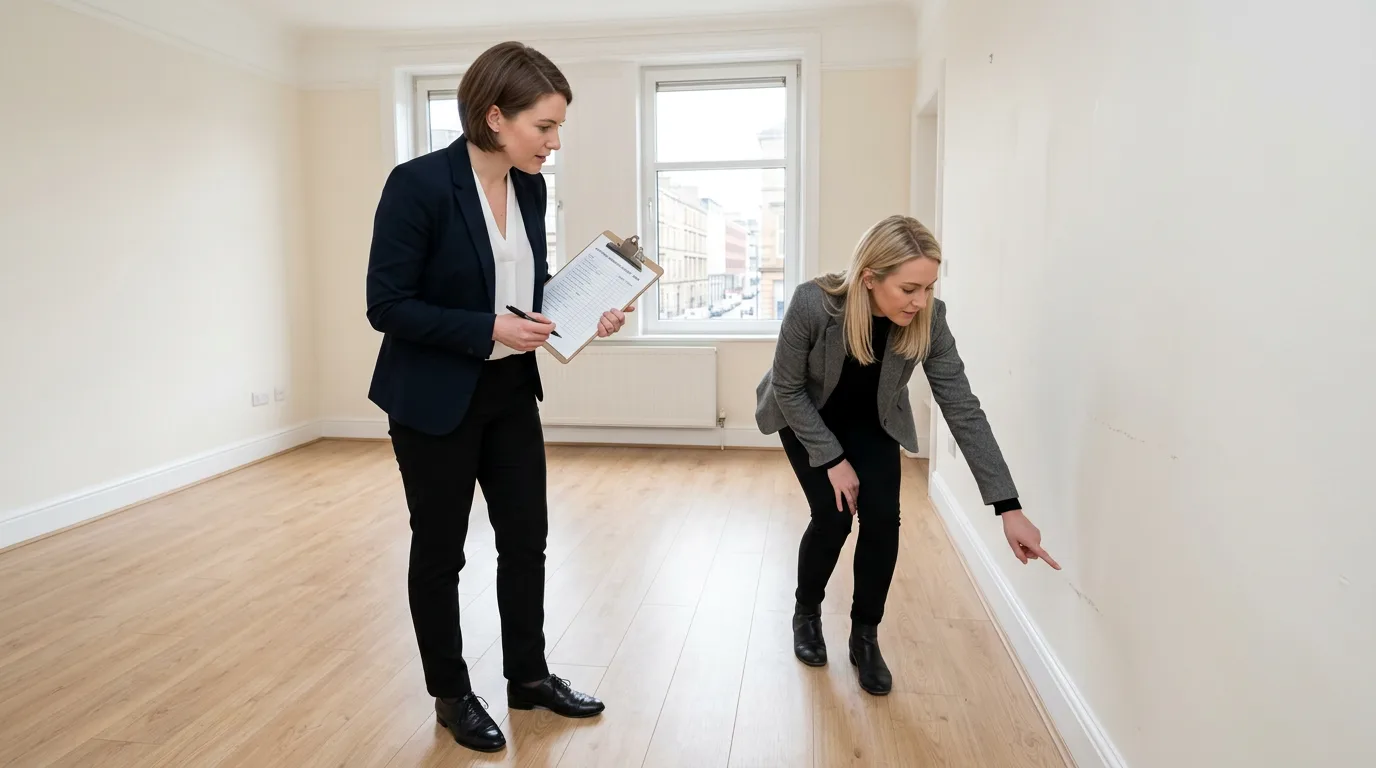
The Wohnungsabnahme is a formal inspection conducted by the landlord or property management company on the day you return the keys. During the apartment handover, both parties walk through the apartment together, and any deficiencies are documented in the handover protocol (Abnahmeprotokoll).
Under Swiss tenancy law (OR Art. 267-267a), the landlord must inspect the apartment and notify you of any defects immediately. If defects are not noted in the protocol, the landlord cannot claim them later, with the exception of hidden defects that could not reasonably be discovered during the inspection.
What Landlords Check: Room by Room
Entrance and Hallway
- Entrance door: both sides, lock, handle, hinges, doorbell
- Hallway walls: marks, scratches, holes
- Floor: condition, scuffs, carpet stains
- Fuse box: all fuses present and labeled
- Letterbox key returned
Kitchen
- Oven: interior cleaned, racks, glass door
- Stovetop: no burns or stains
- Extractor hood: filter cleaned or replaced
- Fridge/freezer: defrosted, clean, dry
- Dishwasher: filter clean, interior spotless
- Sink and taps: no limescale, drains freely
- Cabinets: interior and exterior clean, no broken hinges
- Countertop: no burns, cuts, or stains
- Tiles and grout: clean, no mold
Bathroom(s)
- Toilet: clean, no limescale under rim, seat intact
- Shower/bathtub: silicone seals in good condition, no mold
- Tiles and grout: no discoloration, no cracked tiles
- Mirror cabinet: interior clean, mirror spotless
- Ventilation grille: clean
- Drain: clear and flowing
Living Rooms and Bedrooms
- Walls: no large holes, stains, or non-standard paint colors
- Floors: parquet in good condition (no deep scratches), carpet clean
- Windows: clean inside and outside, handles work, seals intact
- Roller shutters or blinds: functional
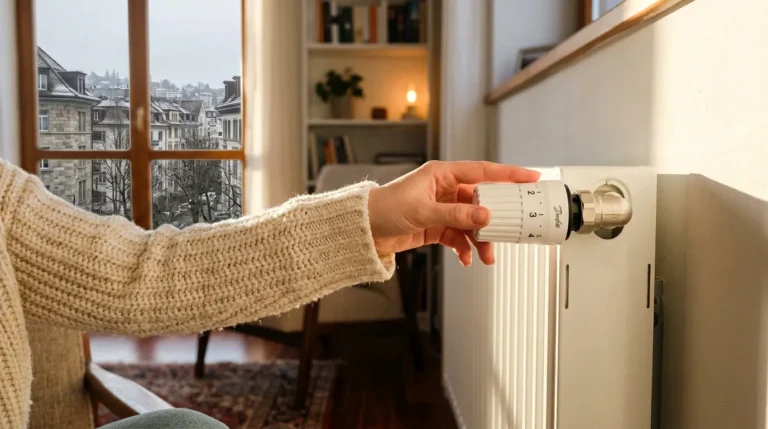
- Radiators: clean between fins, thermostat works
- Power outlets and light switches: all functional
- Built-in wardrobes: clean, rails intact, doors aligned
Balcony / Terrace
- Floor: swept, no stains
- Railing: intact, no rust
- Drain: clear
- Plants and pots: removed
Cellar / Storage Room
- Completely emptied
- Swept clean
- Lock functioning
Common Deductions and Their Costs
If deficiencies are found, the landlord will deduct repair costs from your deposit (Kaution/Mietkaution). Here are typical deduction amounts in Zurich:
| Issue | Typical deduction (CHF) | Your share (depreciation) |
|---|---|---|
| Professional cleaning (if not done) | 400 to 1,400 | 100% (tenant responsibility) |
| Repainting (walls damaged) | 1,500 to 3,000 | Proportional (8-year depreciation) |
| Parquet refinishing | 800 to 2,000 | Proportional (15-year depreciation) |
| Broken tile replacement | 200 to 500 per tile | Proportional (25-year depreciation) |
| Silicone re-sealing (bathroom) | 150 to 300 | Proportional (5-year depreciation) |
| Oven deep cleaning | 80 to 150 | 100% |
| Key replacement | 50 to 200 per key | 100% |
| Lock cylinder replacement | 200 to 500 | 100% |
| Drill hole filling and touch-up | 50 to 150 | 100% (if not properly filled) |
All deductions must follow the official depreciation tables (Lebensdauertabelle) published by the Swiss Tenants Association. The landlord can only charge you for the remaining value of the item, not the full replacement cost.
The Depreciation Tables Explained
The Lebensdauertabelle is the most important document for tenants at the handover. Key depreciation periods:
- Paint: 8 years (walls and ceilings)
- Carpet: 10 years
- Parquet: 15 years (surface treatment), 30+ years (wood itself)
- Tiles: 25-30 years
- Kitchen appliances: 15 years
- Bathroom ceramics: 20-25 years
- Bathtub: 25 years
- Silicone seals: 5 years
If an item has exceeded its depreciation period, the landlord cannot charge you for its replacement, even if it is damaged.
Your Rights as a Tenant
- Be present at the handover: You have the right to participate. Never sign a protocol without being there
- Review the protocol carefully: Read every line before signing. Add comments or disagreements in writing
- Take photos: Document the apartment’s condition with timestamped photos before and during the handover
- Compare with the move-in protocol: Any issues that existed at move-in (Einzugsprotokoll) cannot be charged to you
- Dispute charges: You can contest deductions at the cantonal Schlichtungsbehörde (conciliation authority) within 30 days, without procedural costs
- Deposit return: The landlord must return your deposit (held in a blocked bank account) with accumulated interest, minus justified deductions. They cannot withhold the deposit indefinitely
Preparing for Your Apartment Handover: Timeline
- 4-6 weeks before: Book your end-of-tenancy cleaning. Schedule any repairs (parquet, painting, mounting damage)
- 2-3 weeks before: Start packing. Arrange for disposal of items you will not take. Check the move-in protocol for pre-existing damage
- 1 week before: Fill all drill holes and touch up paint. Check all fixtures and appliances
- 1-2 days before: Final deep clean or professional Endreinigung. Final walkthrough using the checklist above
- Handover day: Bring your move-in protocol, keys (all copies), photos, and a pen. Walk through every room methodically
Services That Help With Your Apartment Handover
Preparing for a Wohnungsabnahme often involves multiple services. Here are the most common ones tenants need:
- End-of-tenancy cleaning: Professional deep clean with Abnahmegarantie
- Painting: Wall touch-ups or full repaint if walls are damaged and paint is less than 8 years old
- Handyman services: Filling holes, fixing minor damage, reattaching loose fittings
- Flooring repair: Parquet scratch repair or refinishing
- Mounting removal: Removing wall-mounted items and restoring the wall
Need help preparing for your apartment handover in Switzerland? Browse professionals on cleaning, painting, home repairs, and mounting to make sure everything is in order before the inspection.
Key takeaways
- The Wohnungsabnahme is a formal process, and defects not noted in the protocol cannot be claimed later
- All deductions must follow the official depreciation tables; the landlord cannot charge full replacement value for depreciated items
- Always attend the handover in person, take photos, and compare with your move-in protocol
- Book professional cleaning with an Abnahmegarantie and address visible damage before the inspection
- You can dispute unfair charges at the Schlichtungsbehörde
General information, not legal advice. Your lease and your local tenants’ association have the final word.
Frequently asked questions
What happens at a Swiss apartment handover (Wohnungsabnahme)?
The landlord or property manager walks through the apartment with you, inspecting every room, fixture, and surface. Any deficiencies are documented in the handover protocol (Abnahmeprotokoll). Both parties sign the protocol, and any repair costs are deducted from your deposit.
Can the landlord charge me for normal wear and tear?
No. Under Swiss law (OR Art. 267), normal wear and tear (gewöhnliche Abnutzung) is the landlord’s responsibility. This includes slight wall yellowing, minor scuffs near doors, and general aging of fixtures. Only damage beyond normal use can be charged, and only proportionally according to the depreciation schedule.
How long does the landlord have to return my deposit?
Swiss law does not specify an exact deadline, but the landlord should process deductions and return the remaining deposit within a reasonable time, typically 1-3 months. If the landlord withholds the deposit without justification, you can request its release from the bank where it is held or pursue the matter through the Schlichtungsbehörde.
What if I disagree with the handover protocol?
You can add written comments and reservations on the protocol before signing. If you disagree with the deductions, you have the right to dispute them at the cantonal Schlichtungsbehörde (conciliation authority). This process has no procedural costs and does not require a lawyer.
Should I do the end-of-tenancy cleaning myself or hire professionals?
For a smooth handover, professional cleaning with an Abnahmegarantie is strongly recommended. If the landlord finds the cleaning insufficient after a DIY attempt, you will need to pay for professional cleaning anyway. The Abnahmegarantie ensures the cleaning company returns at no extra cost if the landlord is not satisfied.