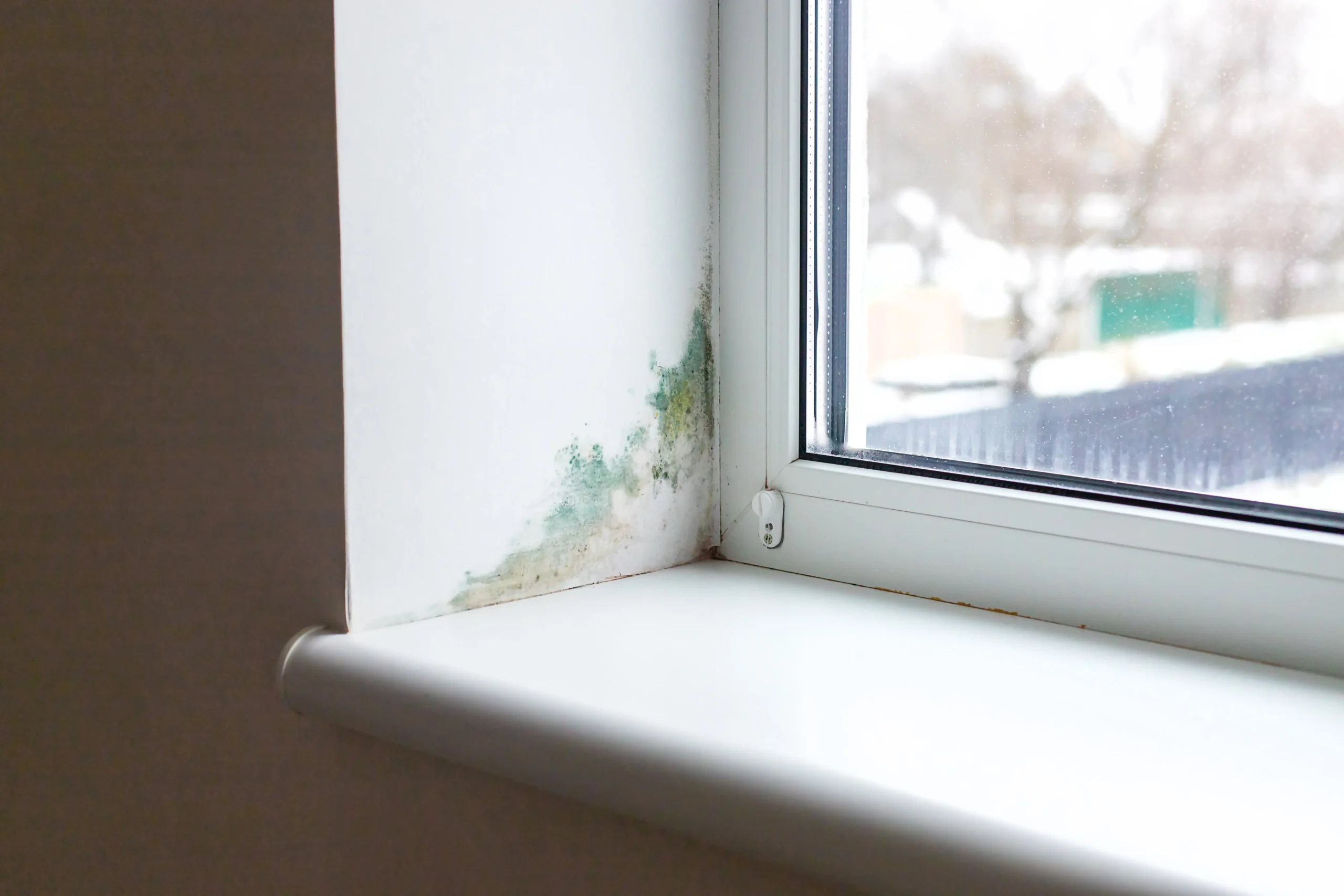
Mold and damp walls in Zurich apartments are a common problem, especially during the colder months. Poor ventilation, inadequate heating, and building moisture can all contribute to mold growth. This guide explains how to prevent mold, when it is your responsibility vs. the landlord’s, and how to get professional help.
Key Takeaways
- Mold in Swiss apartments is most often caused by insufficient ventilation and excess humidity.
- Burst ventilation (Stossluften) 2-3 times daily is the most effective prevention method.
- Structural causes like leaking pipes or poor insulation are the landlord’s responsibility.
- Professional mold removal costs CHF 500-3,000 depending on the affected area.
- Document mold issues with photos and notify your landlord in writing immediately.
What Causes Mold in Swiss Apartments?
- Poor ventilation: Leaving windows tilted instead of burst ventilating traps moisture.
- High indoor humidity: Cooking, showering, and drying clothes indoors without proper ventilation.
- Cold surfaces: Poorly insulated walls create condensation points where mold thrives.
- Building defects: Leaking roofs, pipes, or foundations let moisture in from outside.
- Furniture placement: Large furniture against exterior walls blocks airflow and traps moisture.
How to Prevent Mold in Your Apartment
Ventilation
- Use burst ventilation (Stossluften): open windows fully for 5-10 minutes, 2-3 times daily.
- Always ventilate after showering, cooking, or drying clothes.
- Do not leave windows tilted for hours – this cools walls and causes condensation.
Heating
- Keep all rooms heated to at least 18C, even when away.
- Do not turn heating off completely in unused rooms.
- Warm air holds more moisture; cold rooms create condensation.
Humidity Control
- Keep indoor humidity between 40-60% (use a hygrometer to monitor).
- Use a dehumidifier in damp rooms.
- Leave space between furniture and exterior walls (at least 5-10 cm).
Mold Removal Costs in Zurich
| Service | Price Range (CHF) |
|---|---|
| Small area treatment (under 1m2) | 200 – 500 |
| Medium area (1-5m2) | 500 – 1,500 |
| Large area or structural mold | 1,500 – 3,000+ |
| Professional moisture assessment | 150 – 400 |
Tenant vs. Landlord Responsibility
Tenant responsibility: Mold caused by improper ventilation or heating habits. If you do not ventilate regularly or block radiators with furniture, the landlord may hold you responsible.
Landlord responsibility: Mold caused by structural defects like poor insulation, leaking pipes, or building moisture. The landlord must fix these issues and may need to cover professional mold removal costs.
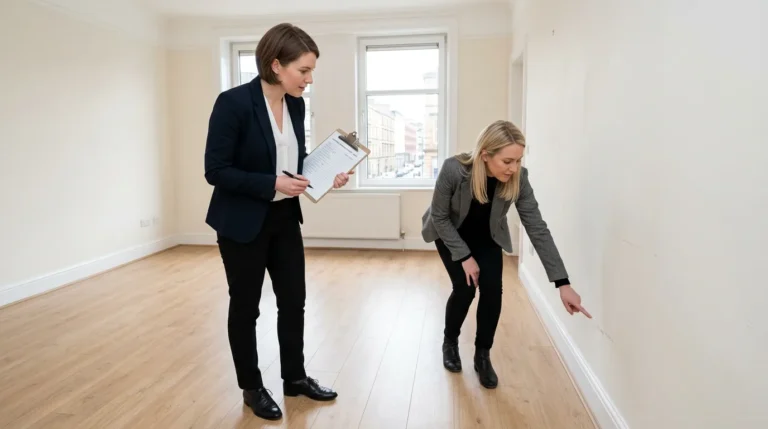
Important: Always document mold with photos and notify your landlord in writing as soon as you discover it.
Professional Mold Removal in Zurich
For serious mold problems, professional help is essential. Professionals on MyProfessional.chFor a small area, a cleaning professional on MyProfessional.ch can help. If the mould keeps coming back or the wall is damp, tell the property management: that takes a specialist company.
Frequently Asked Questions
What causes mold in Zurich apartments?
The most common cause is insufficient ventilation combined with high indoor humidity. Cooking, showering, and drying clothes indoors without proper ventilation creates excess moisture that condenses on cold walls.
Is mold removal the tenant or landlord responsibility?
It depends on the cause. Mold from improper ventilation is the tenant’s responsibility. Mold from structural defects (poor insulation, leaks) is the landlord’s responsibility.
How much does professional mold removal cost in Zurich?
Professional mold removal in Zurich costs CHF 200-500 for small areas, CHF 500-1,500 for medium areas, and CHF 1,500-3,000+ for large or structural mold problems.
How do I prevent mold in my Swiss apartment?
Use burst ventilation 2-3 times daily, keep rooms heated to at least 18C, maintain humidity between 40-60%, and leave space between furniture and exterior walls.
Can I remove mold myself?
Small areas (under 0.5m2) can be cleaned with specialized mold spray. For larger areas or recurring mold, professional removal is recommended to address the root cause and prevent health risks.